As Amazon Associates, we earn from qualifying purchases. This means we may receive a small commission at no extra cost to you if you click through and make a purchase.
Heating Power
1560 watts
Cooking Surface Area
189 square inches
Power Cord Length
6-foot grounded cord
Item Weight
29.5 pounds
Evaluating the published technical details provides a realistic picture of the unit’s thermal capacity and footprint before placing it in an outdoor kitchen workspace.
Full spec sheet 7 more rows from the listing
| Fuel Type | Electric |
| Voltage Requirement | 120 volts |
| Main Heating Elements | 1 |
| Cooking Grate Material | Porcelain-enameled cast iron |
| Body and Lid Material | Cast aluminum |
| Handle Material | Stainless steel |
| Product Dimensions | 23.5 inches deep by 27 inches wide by 14.5 inches high |
Shoppers researching the Weber Q 1400 often seek a reliable weber baby q grill alternative that sidesteps fuel storage restrictions without sacrificing cooking performance. Operating purely on a 120-volt household supply, this appliance utilizes a 1560-watt heating element to deliver heat across a 189 square-inch cooking surface. It is designed specifically for outdoor environments where open flames, charcoal ash, or pressurized gas tanks are prohibited by property managers or municipal fire regulations. Choosing an electric platform requires clear expectations regarding preheat intervals, recovery times when opening the lid, and total thermal output compared to live combustion.
This assessment inspects the core engineering of the gray painted model, which pairs a cast aluminum body with porcelain-enameled cast-iron cooking grates. The following sections break down electrical demands on standard household circuits, temperature retention challenges during windy conditions, maintenance demands for the cooking surface, and long-term durability concerns regarding the internal element and control valve.
What You Get With the Weber Q 1400



The unit ships as an integrated tabletop appliance designed for immediate assembly-free deployment on heat-resistant outdoor surfaces. The listing specifies the following components and core features:
- 1560-watt electric heating element configured for 120-volt operation
- 189 square-inch total cooking area
- Porcelain-enameled cast-iron cooking grates
- Cast aluminum lid and body finished with painted exterior coating
- Infinite control burner valve settings for incremental thermal regulation
- 6-foot grounded power cord
- Removable catch pan for grease collection
- Stainless steel lid handle
- Fully assembled out of box construction
Balcony Utility and Electrical Requirements
Selecting a weber baby q grill for balcony use typically solves the legal and lease obstacles associated with open-flame cooking. Multi-family housing complexes frequently ban liquid propane cylinders and charcoal storage due to local fire codes. Because this unit relies entirely on a 120-volt electrical connection, it complies with regulations restricting open flames while maintaining a true outdoor grilling experience on compact patios.
Operating a 1560-watt continuous resistance element places notable demands on domestic wiring. At standard North American voltage, the appliance draws 13 amps during peak heating cycles. Standard outdoor circuits in residential buildings are usually rated for 15 or 20 amps. If the exterior outlet shares a circuit breaker with high-draw kitchen appliances, patio lights, or outdoor power tools, running the grill on its highest setting can cause the breaker or GFCI to trip. Buyers must ensure access to a dedicated circuit capable of sustaining continuous 13-amp draw throughout long cooking sessions.
Physical placement also requires planning around the 6-foot grounded cord. The manufacturer equips the unit with a short, heavy-gauge cord to prevent dangerous voltage drops and reduce fire hazards. Grilling setups must remain close to an exterior GFCI outlet, as using unrated household extension cords can reduce the wattage reaching the element and overheat the wire. Unlike fully portable charcoal alternatives like the weber jumbo joe 18, this unit cannot be moved freely around an open patio without considering the fixed path of the electrical cord.
Heating Performance and Temperature Regulation
Thermal stability is the defining factor in weber q 1400 electric grill reliability. Generating high heat using a single 1560-watt element across 189 square inches of cooking space relies heavily on conductive and radiant transfer rather than high-volume convective airflow. The system relies on its infinite control burner valve settings, which adjust the internal duty cycle of the heating element rather than adjusting a continuous flame. Learning how the controller cycles on and off is essential for managing delicate proteins versus thick cuts of meat.
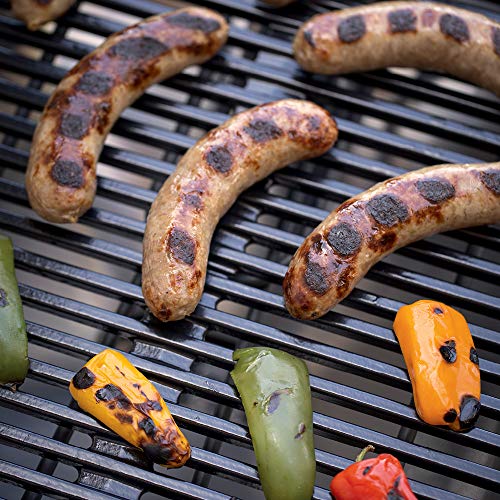
The cast aluminum lid and bowl work alongside heavy cast-iron cooking grates to capture and hold thermal energy. Achieving proper searing temperature requires a dedicated preheat period of 15 to 20 minutes with the lid firmly shut. Once the porcelain-enameled cast iron absorbs sufficient heat, it leaves prominent sear marks on steaks and chops. However, electric elements do not possess the rapid recovery rate of gas burners or open charcoal embers like those on a jumbo joe weber grill. Lifting the lid discharges the trapped hot air instantly, requiring several minutes for the element to bring the cooking chamber back up to target temperature.
Environmental conditions directly influence weber q1400 temperature control. Because cast aluminum dissipates heat relatively fast when exposed to cold wind, ambient temperatures below 50 degrees Fahrenheit can prolong preheating and limit the maximum internal chamber temperature. Grilling in sheltered balcony corners minimizes thermal loss, allowing the single element to maintain steady heat without working continuously at its absolute maximum capacity.
Grate Care and Long-Term Cleaning Demands
Protecting the cooking surface requires disciplined weber q 1400 cast iron grates care. The grates combine the heat retention of raw iron with a protective porcelain enamel finish designed to resist corrosion. While durable, the porcelain glaze is brittle and vulnerable to mechanical damage. Using metal scrapers with sharp edges or aggressive wire brushes can chip the enamel coating, exposing the vulnerable bare cast iron underneath to moisture, which inevitably leads to rust.
A consistent routine for weber baby q grill cleaning ensures optimal airflow and prevents grease accumulation in the lower body cavity. After cooking, the unit should run on high heat for roughly ten minutes with the lid closed to carbonize grease drippings clinging to the grates. Once cooled slightly, a nylon bristle brush or wooden scraper should be used to clear debris. The grates must never be submerged in cold water while hot, as thermal shock can fracture the cast iron or crack the enamel bond.
Grease management below the grates centers on the removable catch pan and the sloping interior of the painted cast aluminum base. Because electric elements sit directly below the cooking grates, some oil and marinade will drip onto the coil itself, vaporizing during cooking and leaving baked-on residue. Scraping the bottom basin and discarding disposable pan liners regularly prevents flare-ups, rancid grease odors, and sticky buildup around the element terminals.
Component Durability and Electrical Failure Points
While the heavy-duty cast aluminum body avoids rust indefinitely, owners must understand potential weber baby q electric grill problems related to outdoor electrical exposure. Leaving an electric grill exposed to driving rain, high humidity, or coastal salt air can degrade internal wiring connections and corrode the terminals where the controller plugs into the heating element. Moisture infiltration is the most frequent cause of nuisance ground-fault trips on outdoor balcony circuits.
The variable controller dial houses mechanical contacts that cycle electricity based on the chosen heat setting. Over several seasons of exposure, thermal fatigue and environmental humidity can lead to contact oxidation, causing inconsistent heating or failure to power on. In these cases, the controller assembly or the heating element itself may require inspection. Conducting a weber q1400 heating element replacement is a straightforward mechanical procedure, as the heating element is secured by retaining brackets and connects directly into the controller receiver block inside the grill housing.
Structural elements exhibit superior longevity compared to stamped steel grills. The cast aluminum lid and body retain their structural integrity through thousands of thermal cycles without thinning or rusting through. The stainless steel handle remains insulated from intense radiant heat by thermal spacers, ensuring safe lid operation. Aside from periodic element replacement or terminal cleaning, the chassis outlasts standard sheet-metal alternatives like the weber master-touch charcoal grill which require ongoing vigilance against enamel chipping and weather-induced metal oxidation.
Weber Q 1400 Pros and Cons
Pros
- Durable rust-proof cast aluminum body and lid
- Heavy porcelain-enameled cast-iron grates hold heat
- Fully assembled out of the box
- Infinite control burner valve for incremental adjustments
- Complies with apartment balcony open-flame bans
Cons
- Requires high 13-amp continuous electrical draw
- Slow thermal recovery when lid is opened
- Restricted mobility due to 6-foot cord
Is the Weber Q 1400 Worth It
Determining whether this model is the right purchase depends entirely on your cooking location and fuel limitations. If you reside in an apartment, condominium, or urban rental where lease clauses strictly forbid charcoal bags, gas bottles, and open flames, the question of is weber baby q grill worth it becomes clear. It delivers genuine grill marks, authentic outdoor cooking rituals, and dependable heat retention without breaching safety regulations or alienating neighbors with heavy smoke.
Conversely, shoppers with unrestricted backyards, suburban decks, or access to dedicated natural gas lines may find an electric tabletop grill limiting. A 1560-watt element cannot match the searing speed, expansive capacity, or ambient flavor generation of high-BTU gas units or oversized charcoal fixtures like the weber ranch kettle grill. The 189 square-inch grate accommodates meals for two to three people comfortably, but cooking for large gatherings requires batching food due to limited grid real estate.
For buyers who prioritize solid engineering over throwaway electric appliances, the unit offers strong value through its thick cast aluminum chassis and porcelain-enameled grates. As long as you maintain realistic expectations about wind sensitivity, dedicated electrical supply requirements, and the necessity of cooking with the lid down, it serves as a durable, purpose-built outdoor cooking tool for modern urban environments.
FAQ
Does the Weber Q 1400 require a dedicated electrical circuit?
Yes. The grill draws 1560 watts at 120 volts, which equals approximately 13 amps. Standard household circuits are rated for 15 or 20 amps, meaning operating another high-draw appliance on the same circuit will likely trip the breaker.
Can you use an extension cord with the Weber Q 1400?
The unit includes a 6-foot grounded power cord intended for direct connection to an outdoor GFCI outlet. The listing does not recommend standard household extension cords, as undersized cords cause voltage drop, reduce heating performance, and create potential fire risks.
How long does the grill take to reach high cooking temperatures?
Because the unit uses an electric element to heat heavy porcelain-enameled cast-iron grates, preheating requires approximately 15 to 20 minutes with the lid fully closed before placing food on the grates.
Can you wash the porcelain-enameled cast iron grates in a dishwasher?
No. Dishwasher detergents contain harsh chemicals that dull the enamel finish and attack the iron substrate. Grates should be cleaned using a nylon grill brush or warm water with a mild, non-abrasive dish soap.
What causes the grill to trip an outdoor GFCI outlet?
Moisture inside the temperature controller, water ingress around the element terminals, or sharing the electrical circuit with other active household appliances are the primary causes of tripped GFCI breakers.