As Amazon Associates, we earn from qualifying purchases. This means we may receive a small commission at no extra cost to you if you click through and make a purchase.
Group Capacity
5 to 7 People
Total Unit Weight
30.5 pounds
Primary Construction Material
Corrosion Resistant Stainless Steel
Overall Dimensions
24.6 inches Diameter x 24.6 inches Width x 17.8 inches Height
Full spec sheet 6 more rows from the listing
| Product Name | Solo Stove Basecamp 24 |
| Exterior Finish | Polished Silver (Develops golden blue patina) |
| Fuel Source | Wood |
| Ash Management | Removable Ash Pan and Base Plate |
| Stand Inclusions | Elevating Protective Stand Included |
| UPC | 810167607253 |
Deciding on a high-capacity wood-burning fire pit requires balancing smoke reduction, structural longevity, and surface protection. Shoppers evaluating the solo summit fire pit design often turn to the Solo Stove Basecamp 24 to accommodate larger patio gatherings without the suffocating smoke plumes typical of traditional outdoor rings. Sized at 24.6 inches in diameter, this round stainless steel unit is engineered specifically for five to seven people who want continuous wood warmth across backyard patios and open deck spaces. However, purchasing an open-flame outdoor appliance at this scale demands a realistic look at how corrosion-resistant materials respond to outdoor humidity, whether the polished exterior maintains its cosmetic appeal, and how safely the included base interacts with heat-sensitive surfaces.
This solo stove summit fire pit review examines the fundamental mechanical attributes of the fire pit, unpacking the realities of its double-wall airflow geometry, fuel consumption demands, and cleaning overhead. We analyze how the structure dissipates thermal energy to prevent scorching on underlying decks, how the stainless steel metal behaves after repeated high-temperature burns, and what prospective buyers should anticipate regarding ongoing upkeep. The following sections break down the full list of included hardware, precise solo stove basecamp 24 specs, thermal radiation characteristics, structural integrity concerns, and warranty realities to help you determine if this model meets your specific outdoor living requirements.
What You Get With the Solo Stove Basecamp 24

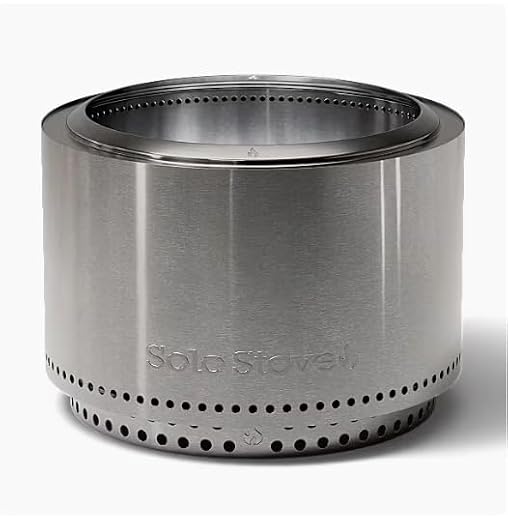


The Solo Stove Basecamp 24 ships as an integrated outdoor burning solution, pairing the core combustion chamber with protective hardware tailored for residential backyards and open patio spaces.
- Patented 360-degree airflow combustion chamber engineered to preheat air and deliver secondary burn capability.
- Dedicated protective stand designed to elevate the 24.6-inch fire bowl away from underlying flooring.
- Removable ash pan and integrated base plate mechanism to facilitate fast residue clearance after burning wood.
- Polished stainless steel cylinder with a 17.8-inch operational height designed for groups of five to seven adults.
- Self-contained 30.5-pound burning drum structured for natural wood log fuel without loose assembly hardware.
Deck Safety and Heat Transfer Realities
Managing thermal radiation on sensitive deck surfaces is the primary concern for anyone placing a wide fire pit on composite planks or treated cedar. The solo stove stand deck safety design relies on an elevating metal ring that lifts the base of the fire pit several inches above the ground, creating an air gap intended to intercept conductive heat transfer. Because the Solo Stove Basecamp 24 measures 24.6 inches across, the surface area emitting downward thermal energy is significantly larger than compact portable fire bowls. While the stand keeps the intensely hot combustion floor from making direct contact with decking boards, the air space beneath the fire pit still absorbs substantial radiant warmth during extended wood-burning sessions.
Operating a solo stove basecamp for patio setups requires understanding the limitations of elevated airflow bases. Ambient air drawn into the bottom perimeter vents helps moderate the bottom plate temperature, but when burning dense hardwoods for several hours, thermal buildup can stress delicate polymer coatings on composite decking or dry out natural softwood timbers. Homeowners assessing base clearance often reference accessories like the solo stove yukon stand when analyzing height margins and ground clearance on larger fire pit footprints. For sensitive PVC, vinyl, or unstained cedar surfaces, pairing the included stand with an additional non-combustible thermal barrier or heavy fire-resistant mat offers indispensable peace of mind.
Placement distance and combustible clearance also dictate safe outdoor installation. Beyond ground-level deck protection, a fire pit of this diameter throws flame patterns that react directly to prevailing wind currents. Radiant heat escapes horizontally from the upper drum wall, meaning outdoor patio furniture, low-hanging deck pergolas, and vinyl railing systems must maintain significant perimeter distance. The listing specifies the unit is round with an open-top wood-burning chamber, meaning hot embers can escape if unseasoned or popping wood species like resinous softwoods are introduced to the fire bed.
Stainless Steel Durability and Weathering Performance
Exterior resilience determines how an outdoor appliance holds up against rain, humidity, and constant temperature swings. Examining solo stove basecamp durability reveals that its primary defense against rust is high-grade, corrosion-resistant stainless steel construction; however, the listing does not specify the exact metallurgical grade, such as 304 stainless steel. When first unboxed, the fire pit displays a gleaming polished silver finish, giving the unit an upscale patio appearance. However, stainless steel exposed to extreme combustion temperatures inevitably undergoes physical oxidation. The listing notes that the drum naturally develops a unique golden blue patina over time, an optical shift caused by heat-tinting that permanently changes the appearance of the outer wall after initial firings.
While corrosion-resistant stainless steel resists structural degradation far better than rolled carbon steel or painted sheet metal, it is not entirely impervious to environmental neglect. Leaving accumulated ash sitting in the bottom pan during humid conditions or damp rainfall creates a caustic, alkaline paste that can pit and stain metal surfaces over prolonged exposure. In contrast to smaller tabletop pieces like the solo stove mesa that users routinely store inside a garage or cabinet after every evening use, moving a 30.5-pound, 24.6-inch drum requires deliberate effort. Because the product listing includes only the core fire pit and stand without an included weather shield or fitted vinyl cover, purchasing a dedicated weatherproof shelter is necessary if you intend to leave it outdoors full-time.
Weld integrity and thermal stress endurance represent another aspect of prolonged patio ownership. The patented double-wall construction relies on internal chambers that expand and contract as temperatures spike from cold ambient air to intense wood combustion. Stainless steel possesses a high thermal expansion coefficient, meaning repeated cycles of rapid heating and ambient cooling test every seam. Avoiding rapid quenching with cold water is vital to preserve the cylindrical geometry and prevent warping along the upper ventilation ring and the lower removable base plate.
Airflow Mechanics and Heating Radius
The defining appeal of this design is the patented 360-degree airflow system, which channels air between the double walls to feed preheated oxygen into the top rim of the drum. This secondary combustion process re-burns smoke particles, soot, and volatile gases before they leave the chamber, delivering the promised smokeless signature flame. When assessing the solo stove basecamp heat output, buyers must recognize that this hyper-efficient airflow dynamic behaves differently from traditional shallow fire rings. By pulling incoming oxygen through bottom vent holes and driving a vigorous central updraft, the unit focuses the bulk of its thermal energy vertically into the open sky rather than casting wide lateral warmth across the ground.
For a gathering of five to seven people arranged around the 24.6-inch cylinder, this vertical flame column keeps smoke out of eyes and clothes, which solves the most frustrating element of backyard campfires. However, because the double-wall shell acts as an insulating jacket, side radiation is muted compared to single-wall steel bowls. Seated guests will feel substantial convective warmth on their faces and chests, but their lower legs and feet may remain cool in brisk weather. Backyard setups seeking broader multi-directional warmth sometimes integrate protective perimeter surrounds or tables similar to the solo stove surround table to define safe seating distances and stabilize outdoor dining configurations around large drums.
Wood consumption rates directly reflect this aggressive secondary burn mechanism. Because the chamber maintains continuous high-volume airflow through the bottom base plate, seasoned logs combust much faster than they would in an oxygen-deprived pit. To sustain clean, smokeless flames, the fire must be fed regularly with split hardwoods cut to fit comfortably inside the 24.6-inch diameter. Overfilling the pit above the internal upper air vents disrupts the secondary combustion cycle, instantly reintroducing smoke, while letting the coal bed die down too low causes the secondary burn effect to cease altogether until fresh wood catches.
Ash Management and Practical Routine Cleanup
Regular ash removal is essential for maintaining proper airflow and avoiding sluggish burns. A detailed solo stove smokeless fire pit cleanup evaluation shows that the Basecamp 24 addresses one of the primary historical complaints regarding large-diameter fire pits: ash extraction. Older fixed-bottom fire drums required users to wait until the entire assembly cooled down, pick up the bulky cylindrical body, and turn it upside down to dump residual powder. The Basecamp 24 integrates a removable ash pan and base plate beneath the combustion grid, capturing spent charcoal and fine dust in a self-contained tray that slides or lifts out without requiring you to invert the entire 30.5-pound shell.
Emptying the ash pan remains simple as long as the wood has burned completely down to fine white powder. However, users must wait several hours after the last flame extinguishes before attempting maintenance, as coals buried under insulating ash can retain active heat long after the exterior steel cools to the touch. The removable assembly streamlines disposal directly into a galvanized metal bucket or compost bin. Mid-sized backyard units like the solo stove 19.5 offer similar convenience on a smaller footprint, but clearing residue on this 24.6-inch model requires handling a larger volume of debris due to its heavier fuel appetite.
Long-term hygiene also entails keeping the internal airflow ports clear of blockages. Small pieces of unburned charcoal, bark fragments, or fallen yard debris can lodge in the lower vent holes over time, restricting the draw of oxygen necessary for the 360-degree combustion cycle. Periodically inspecting the internal base plate and clearing settled soot ensures that airflow velocity remains unrestricted. Because water should never be poured directly into the chamber for cleaning due to rust and warping risks, routine dry brushing and ash pan clearing represent the only necessary maintenance tasks.
Solo Stove Basecamp 24 Pros and Cons
Pros
- Patented 360-degree airflow minimizes campfire smoke
- Protective stand included for surface elevation
- Removable ash pan simplifies post-fire cleanup
- Corrosion-resistant stainless steel construction
- Spacious 24.6-inch diameter fits 5 to 7 people
Cons
- Heats vertically rather than warming lower legs
- Polished silver finish discolors to golden blue
- Weather cover not included in the package
- Higher fuel burn rate than traditional fire pits
Is the Solo Stove Basecamp 24 Worth It
Determining whether this solo summit fire pit model warrants investment depends entirely on your backyard entertainment style, available storage, and tolerance for wood management. If your primary goal is hosting groups of five to seven adults without dealing with shifting smoke plumes, stinging eyes, and lingering campfire odors on clothing, this unit delivers exceptional combustion efficiency. Its 24.6-inch diameter offers ample capacity for full-sized logs, while the included stand and removable ash pan solve critical usability challenges that often plague large backyard fire pits.
On the other hand, is the solo stove basecamp worth it for homeowners seeking ambient warmth down to their feet during cold seasons? Buyers expecting radiant, 360-degree low-level heat to warm freezing toes during late-autumn gatherings may find the vertical convection profile underwhelming without supplemental deflector hardware. Furthermore, while the 30.5-pound weight makes it technically portable compared to built-in stone pits, its broad footprint is best suited for semi-permanent patio placement rather than frequent transport. If you have an uncovered patio exposed to relentless seasonal rain, you must also plan on procuring a dedicated cover, as water pooling inside the ash chamber will compromise performance over time.
Ultimately, this model is worth it for homeowners who prioritize clean-burning aesthetics, solid stainless steel construction, and simplified ash cleanup on wooden decks or stone terraces. It represents a refined, modern wood-burning centerpiece for outdoor living spaces, provided you operate it within the boundaries of safe deck clearances and accept that the polished exterior will naturally transform into a seasoned industrial patina with every burn.
FAQ
Does the Solo Stove Basecamp 24 eliminate all smoke completely?
The patented 360-degree airflow system eliminates the vast majority of visible smoke once the fire reaches secondary combustion temperatures. However, during the initial kindling phase or if damp, unseasoned wood is used, some smoke will still occur until the internal chamber becomes sufficiently hot to trigger the upper secondary burn.
Can you place the Basecamp 24 directly onto a composite or wood deck?
The unit includes a dedicated protective stand designed specifically to elevate the combustion chamber off delicate ground surfaces. While the stand intercepts conductive heat and allows ambient airflow underneath, prolonged high-heat burning can still radiate warmth downward, making an additional non-combustible ember mat or heat barrier advisable for composite deck surfaces.
How do you clean out ashes from the Solo Stove Basecamp 24?
The fire pit features a removable base plate and integrated ash pan located at the bottom of the burning chamber. Once the unit is completely cold, you can remove the interior plate and lift out the ash pan to empty residual fine powder into an ash bucket without having to flip over the 30.5-pound drum.
What warranty and customer support does Solo Stove provide for this model?
Evaluating solo stove warranty and customer support reveals that the manufacturer generally provides customer service assistance for defect claims, but the listing does not specify the exact warranty duration, fine print exclusions, or replacement terms for this specific package. Prospective buyers should confirm coverage details directly with customer service prior to purchase.
Will the polished silver finish stay shiny after regular use?
No, the polished silver stainless steel will naturally discolor after its first few fires. The intense combustion heat causes the metal to develop a golden blue patina across the exterior drum wall, which is an expected physical reaction that does not diminish the structural durability or weather resistance of the steel.