As Amazon Associates, we earn from qualifying purchases. This means we may receive a small commission at no extra cost to you if you click through and make a purchase.
Suction Power Levels
4 selectable levels
Dustbin Volume
0.1 gallons
Battery Chemistry
Lithium Ion
Cleaning Path Width
5.8 inches
A granular look at the roomba max 705 specs demonstrates how the hardware balances battery endurance, suction settings, and physical dimensions to handle indoor spaces.
Full spec sheet 6 more rows from the listing
| Surface Recommendation | Carpet and Hard Floor |
| Maximum Battery Runtime | Up to 210 minutes |
| Dock Bag Capacity | Up to 75 days of debris storage |
| Operational Speeds | 4 selectable speeds |
| Filtration Type | Enclosed cartridge filter (0.7-micron dock trapping) |
| Control Interfaces | New Roomba Home App, Physical Push Buttons, Voice Assistant |
Selecting an autonomous floor care system requires looking past marketing promises and examining real-world mechanical durability, navigation consistency, and maintenance overhead. The Roomba Max 705 pairs a dedicated robotic vacuum with a self-emptying base station, aiming to deliver set-and-forget convenience for busy households. If you are debating whether the roomba® max 705 vac robot + autoempty™ dock matches your home layout, the answer comes down to your flooring mix, tolerance for recurring dock bag replacements, and the degree of pet shedding in your living spaces. While earlier entries in the automated cleaning space, such as the roomba by irobot basic lineups, relied on rudimentary bump-and-turn movement, this model integrates advanced optical tracking and dual-roller extraction intended for rigorous daily cycles.
This comprehensive roomba max 705 vac robot autoempty dock review examines the structural components, suction architecture, and ongoing upkeep demands of the platform. We scrutinize the ClearView Pro LiDAR turret, the PrecisionVision AI detection system, battery performance across different surface types, and how the evacuation base holds up against heavy shedding. By focusing on hardware reliability, dock mechanics, and software responsiveness, this guide provides an objective perspective to help you determine if this robotic setup will remain an asset or turn into a high-maintenance chore.
What You Get With the Roomba Max 705
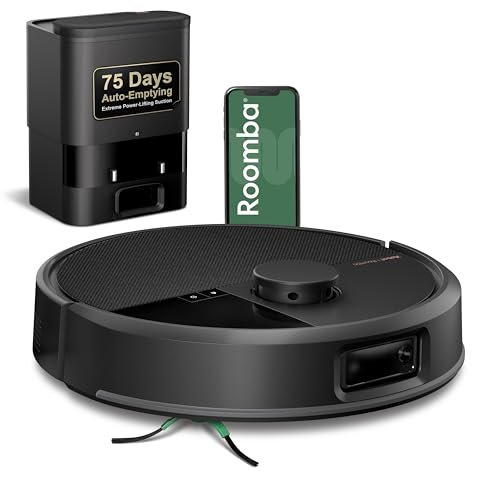


Unboxing the system reveals a focused hardware package designed for dry debris collection on mixed flooring, providing essential replacement consumables straight from the factory so you can run the machine immediately without separate component orders.
- 1 Roomba Max 705 Vac robot
- 1 AutoEmpty dock
- 1 Extra AutoEmpty enclosed debris bag
- 1 Extra high-efficiency cartridge filter
- Dual rubber anti-tangle extractors pre-installed in the cleaning head
- Edge-sweeping side brush pre-installed on the chassis
LiDAR Navigation and Obstacle Avoidance Performance
Navigation remains the cornerstone of automated cleaning, and the roomba max 705 lidar navigation system represents a departure from camera-only tracking. The elevated ClearView Pro LiDAR module scans the perimeter of your rooms continuously, creating precise 3D floor maps that populate the mobile interface quickly. Because laser systems do not rely on ambient lighting, the robot operates effectively in pitch-black rooms, under bed frames, and through dimly lit hallways. Downward-facing anti-fall sensors guard against staircase tumbles, while the rotating turret maps out walls, baseboards, and furniture legs without needing to collide forcefully with obstacles.
Complementing the laser mapping is PrecisionVision AI technology, an optical system calibrated to detect lower-profile household hazards that laser beams might skim over. Common hazards like dropped phone charging cables, stray socks, and pet waste are recognized on the fly, prompting the robot to adjust its cleaning path and steer clear rather than dragging debris across rugs. In households with frequent floor clutter, this obstacle avoidance reduces the need to pre-sweep rooms before every scheduled run. However, optical recognition lenses require regular wipedowns, as fine particulate dust can smudge the sensor glass and lead to overly cautious navigation or false-positive obstacle flags.
When evaluating long-term roomba max 705 reliability, moving optical turrets always warrant a close look. The LiDAR sensor sits inside a raised housing that houses tiny belts and rotating prisms. While this provides superior coverage and zone-cleaning precision, pet hair drift and airborne grit can eventually infiltrate the turret mechanism if not blown out periodically. For homes with low-hanging furniture, the height of the LiDAR dome can occasionally cause the robot to graze low sofa rails, making it wise to set virtual no-go barriers around tight clearances in the mobile interface to prevent exterior scratching.
AutoEmpty Dock Demands and Maintenance Requirements
The AutoEmpty dock provides considerable hands-free utility by evacuating the robot’s onboard dustbin automatically after each cycle, containing dirt for up to 75 days. When the robot docks, a high-velocity evacuation motor pulls debris through an evacuation port into an enclosed disposable bag capable of trapping particles down to 0.7 microns. This closed-bag architecture prevents dust clouds from escaping back into the room during disposal, offering a sanitary solution for allergy sufferers who dislike emptying small onboard bins manually.
Despite the hands-off marketing, potential roomba max 705 autoempty dock problems often stem from debris compaction and physical air channel limitations. Because the onboard dustbin holds only 0.1 gallons, pet hair, shredded paper, and large carpet fibers can form a dense plug near the bin door. If this bundle becomes wedged before reaching the dock intake port, the evacuation cycle may fail to draw out the clotted debris, leaving the robot’s bin full for its next run. Buyers managing multi-pet homes need to monitor the base intake ramp occasionally to ensure that fur clumps have not lodged in the transfer neck. Those interested in models that combine liquid mopping functions alongside dry debris clearing may want to research the irobot roomba 415x robot vacuum & mop combo, 20,000pa suction, 3 months autoempty, multifunction doc as an alternative multi-surface benchmark.
Following a sensible roomba max 705 maintenance guide keeps the evacuation system operating at peak airflow. The dock relies on electrical contacts to guide alignment and trigger the charging and emptying sequence. Over time, static-charged dust coats these metallic pads, preventing the robot from establishing a clean connection. Wiping the contact points on both the underside of the vacuum and the dock base plate with a clean cloth once a month prevents charging interruptions and docking misalignments.
Pet Hair Management and Dual Brush Durability
The cleaning head utilizes dual rubber anti-tangle brushes that spin in opposite directions, flexing to maintain contact across uneven carpet fibers and smooth hardwood planks. When evaluating the roomba max 705 for pet hair, this counter-rotating rubber design offers a decisive mechanical advantage over traditional nylon-bristle rollers. Rather than hair weaving tightly between bristles and seizing the roller bearings, strands are worked toward the ends of the smooth rubber shafts, where they can be slipped off easily during routine checkups.
Suction performance on carpets is assisted by an automatic Carpet Boost feature that dials up the internal motor when heavier resistance is detected under the chassis. In Spot Clean mode with a full battery, the motor delivers up to 180 times more extreme power-lifting suction compared to standard Roomba 600 series base units. Advanced Dirt Detect Technology monitors debris volume, prompting the robot to execute repeated passes over concentrated dirt patches before moving on. The 5.8-inch cleaning path width is narrower than some full-sized upright vacuums, requiring the unit to make multiple adjacent passes to cover wide rooms, but the concentrated airflow helps draw deeply seated dander out of dense carpet piles.
Long-term wear and tear primarily affects the side-mounted edge-sweeping brush and the outer rubber treads of the main rollers. The edge-sweeping brush spins along baseboards to fling debris inward toward the dual extractors, but high-pile rugs and fringed throw carpets can cause the slender arms of the brush to bend or wear down prematurely. Inspecting the roller end caps every few weeks is critical; pet hair that works past the rubber seals can wrap tightly around the brass drive bushings, generating friction heat that can degrade the drive module if neglected.
Battery Longevity and Roomba Home App Stability
The integrated lithium-ion battery provides a roomba max 705 battery life rated up to 210 minutes under standard operating conditions. This extended run time allows the robot to cover large multi-room layouts on a single charge without pausing for an intermediate recharge cycle. However, operating the vacuum on its maximum suction level or across thick, high-pile carpets causes the motor to draw higher wattage, which naturally reduces the total runtime. When the battery depletes mid-cycle, the robot automatically navigates back to the AutoEmpty dock, recharges, and resumes cleaning right where it left off.
Day-to-day software management is handled via the New Roomba Home App, which offers room-by-room customization and real-world floor planning tools. Through the roomba max 705 app support architecture, homeowners can label rooms, partition open-concept areas, and establish custom cleaning routines tailored to high-traffic spaces. The application gathers data on debris concentration, learning which rooms collect dirt fastest and recommending cleaning prioritization. Voice integration supports pairing with Alexa, Siri, and Google Assistant, allowing you to trigger targeted cleaning around dining tables or entryway rugs using voice commands.
App stability and firmware updating are vital aspects of ownership. While the application provides deep customization—including four distinct suction levels and adjustable cleaning pass counts—firmware rollouts can occasionally alter map boundaries or obstacle sensitivity. If network signals drop or the Wi-Fi router reassigns local IP addresses, the robot may temporarily show as offline in the mobile interface. Maintaining a stable 2.4 GHz home network connection is essential for smooth communication between your smartphone, the cloud platform, and the robot chassis. For buyers exploring automated floor care options that focus on simpler control schemes, checking out the roomba combo® 2 essential robot + autoempty™ dock provides helpful perspective on baseline automation.
Roomba Max 705 Pros and Cons
Pros
- ClearView Pro LiDAR and AI obstacle detection
- Dual anti-tangle rubber rollers for pet hair
- Up to 210-minute maximum runtime
- Up to 75 days hands-free dock capacity
- Four customizable suction power levels
Cons
- Small 0.1-gallon onboard dustbin
- Narrow 5.8-inch cleaning path width
- Proprietary dock evacuation bags require replacement
Is the Roomba Max 705 Worth It
Determining whether this automated platform justifies its place in your cleaning routine depends on how much you value autonomous navigation over manual floor care. If your home has mixed hard flooring and low-to-medium pile carpets populated by shedding pets, the combination of ClearView Pro LiDAR, dual counter-rotating rubber brushes, and the hands-off AutoEmpty dock delivers reliable day-to-day cleanliness. The obstacle avoidance system eliminates the stressful chore of constantly policing floors for cords or socks before sending the robot out on its route.
Conversely, the unit may not suit buyers looking for an all-in-one vacuum and wet mopping hybrid. The Roomba Max 705 is strictly a dry-vacuuming system. If your cleaning goals require automated mopping pads, looking into advanced dual-action machines like the roomba combo 10 max will provide a more comprehensive floor washing setup. Furthermore, the compact 0.1-gallon onboard dustbin relies heavily on the dock’s suction motor to clear debris regularly, meaning this setup requires a steady supply of proprietary dock bags.
For shoppers focused on robust dry vacuuming, disciplined boundary mapping, and long battery endurance, this system strikes an effective balance between smart features and mechanical capability. When maintained with periodic roller wipedowns and sensor cleanings, it handles stubborn pet fur and tracked-in dirt with minimal manual intervention.
FAQ
How long does the Roomba Max 705 battery last on a single charge?
The lithium-ion battery provides up to 210 minutes of continuous runtime on lower power settings and hard flooring. Operating the vacuum on its maximum suction level or across deep carpet fibers will draw more energy and shorten the run time per cycle, though the robot automatically returns to its dock to recharge when low.
How often do you need to empty the AutoEmpty dock?
The dock contains an enclosed debris bag engineered to trap dirt and fine particles down to 0.7 microns, holding up to 75 days of debris under typical household use. In homes with multiple heavy-shedding pets, the bag may fill faster, requiring replacement every four to six weeks to maintain optimal airflow.
Can the Roomba Max 705 avoid pet waste and household cords?
Yes, the robot is equipped with PrecisionVision AI technology designed to recognize and navigate around low-profile household items in real time. This optical detection system specifically identifies cords, socks, and pet waste, maneuvering around them to prevent snagging or spreading messes across floors.
What routine maintenance is required for the dual rubber brushes and filter?
Owners should remove and inspect the dual rubber rollers every few weeks to clear out long hair wrapped around the end caps and drive shafts. The cartridge filter inside the robot’s bin should be tapped clean weekly, and the metal charging contacts on both the vacuum and dock base should be wiped down monthly to prevent connection faults.
Does the Roomba Max 705 work without the mobile app?
Basic vacuuming can be started and stopped using the physical push buttons located on top of the robot chassis. However, using the physical buttons alone bypasses advanced features like custom room mapping, no-go zones, suction power adjustment, scheduling, and Dirt Detect prioritization, all of which require the New Roomba Home App.