As Amazon Associates, we earn from qualifying purchases. This means we may receive a small commission at no extra cost to you if you click through and make a purchase.
Power Requirements
1500 Watts, 110 Volts, AC Powered
Dimensions
10"D x 17"W x 15"H
Weight and Materials
8 kg; Plastic Body with Glossy Black Finish
Filtration Hardware
AquaClean Reusable Water Filter
Full spec sheet 6 more rows from the listing
| Model Number | EP3241/54 |
| Machine Type | Fully Automatic Espresso Machine |
| Beverage Options | 5 Varieties: Espresso, Coffee, Americano, Cappuccino, Latte Macchiato (plus Hot Water) |
| Grinder Mechanism | Integrated 100% Ceramic Grinder |
| Coffee Input Type | Whole Beans |
| Milk Frothing System | LatteGo 2-Part Tubeless Frother |
If you want a fully automated countertop espresso maker that delivers fresh bean-to-cup coffee and milk drinks without barista training, the Philips 3200 LatteGo is one of the most visible options available. Deciding whether this machine fits your kitchen requires understanding the trade-offs between automated convenience, plastic chassis construction, and ongoing maintenance duties. It prepares five distinct coffee varieties—espresso, classic coffee, americano, cappuccino, and latte macchiato—at the touch of a button, alongside a dedicated hot water option. For busy households seeking quick milk foam without scrubbing internal tubes, this tubeless frothing design offers real daily convenience when properly maintained.
This review examines the machine through the lens of component durability, long-term reliability, and daily maintenance routines. Rather than focusing solely on initial convenience, we analyze how the internal parts hold up under daily use, evaluating ceramic burr resilience, brew group upkeep, and water circuit demands. We also break down the published technical specifications, explain how the AquaClean filter operates over time, highlight common mechanical failure points, and help you determine whether this model suits your coffee routine. For an overview of how this unit compares across the brand family, see our guide on the philips 3200 series espresso machine.
What You Get With the Philips 3200 LatteGo


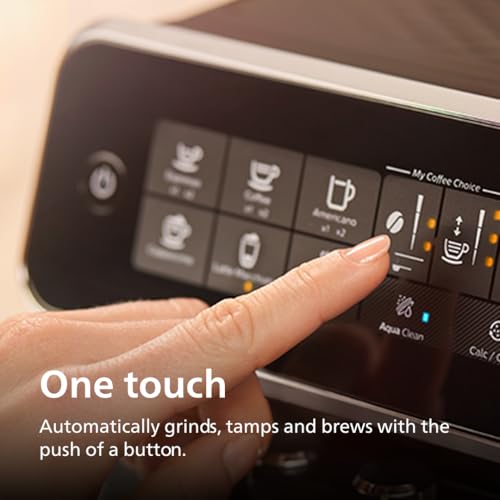

The Philips 3200 LatteGo is packaged as a complete, bean-to-cup espresso system designed to eliminate external accessories by integrating grinding, brewing, and milk frothing into a single compact housing.
- Integrated 100% ceramic grinder built for consistent particle extraction without overheating coffee beans.
- Patented two-part LatteGo milk carafe engineered without hidden tubes or internal conduits.
- Aroma Extract brewing system that balances water temperature and aroma extraction.
- Intuitive touch display featuring button controls and My Coffee Choice customization settings.
- Removable water reservoir fitted for the included AquaClean water filter.
- AquaClean filter designed to enable up to 5,000 cups without descaling when replaced on schedule.
- Removable central brew group accessible from the side for quick rinsing under tap water.
- Standard 110-volt AC power connection delivering 1500 watts of operational power.
Ceramic Grinder Durability and Bean Handling
When reviewing the official Philips espresso machine 3200 specs, the 100% ceramic grinder represents a vital engineering choice. Ceramic burrs are valued in espresso equipment for their thermal insulation properties. Unlike metal burrs, ceramic does not conduct motor heat directly into the coffee beans during grinding. This prevents volatile aromatic compounds from scorching, safeguarding flavor clarity across consecutive shots. Operating in tandem with the Aroma Extract system, the grinder ensures consistent particle sizing to achieve balanced extraction.
Evaluating long-term Philips 3200 ceramic grinder durability requires recognizing the physical characteristics of ceramic materials. Ceramic is exceptionally hard, meaning the cutting edges resist mechanical wear and remain sharp far longer than standard steel burrs under normal bean friction. However, ceramic is inherently brittle. If small stones, field debris, or unroasted hard foreign objects slip past quality control into the bean hopper, ceramic teeth can chip or crack instead of deflecting. Inspecting whole beans before filling the hopper is a simple safeguard to protect the burrs.
Bean selection also impacts the operational lifespan of the grinder assembly. Because the machine is built for whole beans fed through an internal chute, very dark, oily roasts can present maintenance challenges over time. Surface oils can coat the ceramic teeth and adhere to the chute walls, gradually trapping coffee dust. Using dry, medium-roast beans keeps the ceramic burrs clear, preserves bean flow into the brewing chamber, and prevents motor strain.
LatteGo Milk System Hygiene and Daily Maintenance
The standout feature of this automatic platform is the patented LatteGo frothing mechanism. Standard automatic milk systems rely on internal rubber tubes, narrow intake conduits, and complex multi-part valves to pull milk into a steam chamber. Over time, internal dairy channels become vulnerable to curdling and milk stone accumulation if not flushed immediately after every drink. The LatteGo eliminates this vulnerability entirely by employing an external, two-part carafe that contains zero hidden tubes or closed channels.
Completing daily Philips 3200 LatteGo cleaning takes roughly 15 seconds under running tap water. Because the assembly splits directly into two smooth plastic parts, rinsing removes dairy film without requiring disassembly brushes or chemical flushes. Both halves are also top-rack dishwasher safe, making sanitation straightforward. For shoppers considering higher-tier alternatives such as the philips 5500 series fully automatic espresso machine – lattego, this identical two-part architecture remains the core design across the manufacturer’s lineup.
From a reliability perspective, the LatteGo carafe depends on a secure mechanical fit between its two components. The parts snap together to form an airtight fluid channel that uses steam velocity to siphon and froth milk. If the lower retaining hook is improperly locked or if dried residue builds up along the mating rim, steam can vent around the perimeter, resulting in lukewarm, untextured milk. Keeping the mating edges pristine ensures a tight seal and reliable milk delivery.
Brew Group Maintenance and Internal Mechanical Care
Inside the right access door is the heart of the appliance: the fully removable infusion assembly. Routine Philips 3200 brew group maintenance is crucial for sustaining pump pressure and preserving shot quality. Unlike sealed commercial machines that require chemical backflushing, this modular unit pulls out with a single latch press, allowing you to rinse spent grinds and residual oils directly under warm tap water without detergents. Regular weekly rinsing prevents bitter coffee residues from baking onto the internal metal micro-screen.
Neglecting this routine mechanical care is the underlying reason behind widespread Philips espresso machine 3200 problems over extended ownership. As the brew group operates, internal plastic tracks, pivot hinges, and rubber O-rings endure continuous mechanical stress under 1500 watts of heating and water pressure. Frequent rinsing eventually washes away the factory-applied food-grade silicone grease. If guide tracks dry out, the drive motor strains against friction, resulting in loud grinding sounds, incomplete tamping, or warning lights on the intuitive touch display.
In addition to regular rinsing and lubricating, users must monitor the spent puck collection zone. The mechanical pusher ejects compressed coffee pucks into an internal grounds container after each brew cycle. If coffee grinds bypass the bin due to a sticky ejector arm, loose powder can accumulate inside the lower housing. Spending two minutes each month brushing out stray grinds keeps internal microswitches clear and ensures smooth travel for the motorized drive linkage.
Water Filtration Demands and Descaling Protocol
Water mineral content represents the single greatest hazard to internal thermoblock heating elements. The appliance utilizes an AquaClean water filter submerged in the removable reservoir to extract mineral ions before water enters pressurized lines. Manufacturer specifications state that completing timely Philips 3200 AquaClean filter replacement upon machine notification allows users to brew up to 5,000 cups without descaling. The filter uses ion-exchange resin and micro-porous barriers to capture calcium and magnesium minerals.
However, relying on the 5,000-cup benchmark requires adhering to strict filter change intervals. The machine counts brewing cycles and alerts users when a replacement cartridge is necessary. If you bypass these alerts or fail to replace exhausted filters, scale will begin coating internal heating channels, leading to reduced water flow and lower brew temperatures. Readers researching newer models like the philips series 3300 fully automatic espresso coffee machine will observe that identical filtration rules apply across all Philips automated models.
When assessing coverage for water system components, note that the listing does not specify the Philips espresso machine 3200 warranty duration or exact terms. Manufacturer warranties throughout the coffee appliance industry consistently exclude damage caused by mineral buildup or neglected descaling. Retaining purchase records for filters and descaling solutions provides helpful documentation if an internal thermoblock or flow meter issue ever requires manufacturer customer support.
Philips 3200 LatteGo Pros and Cons
Pros
- Tubeless two-part LatteGo milk system cleans in seconds
- 100% ceramic grinder preserves bean flavor without heat
- Removable brew group rinses directly under tap water
- AquaClean filter delays descaling for up to 5,000 cups
- Intuitive touch display offers five one-touch beverage varieties
Cons
- Plastic chassis lacks heavy commercial metal build
- Ceramic burrs susceptible to damage from stone debris
- Brew group requires weekly rinsing and regular lubrication
- Warranty details not specified in official listing
Is the Philips 3200 LatteGo Worth It
Deciding whether the Philips espresso machine 3200 is worth it comes down to whether its automated, low-friction milk design aligns with your daily habits. For coffee drinkers who enjoy milk-based drinks such as cappuccinos and latte macchiatos but dread cleaning traditional milk tubes, this machine is an exceptionally practical option. The convenience of one-touch brewing from fresh whole beans, paired with a two-part milk carafe that cleans in 15 seconds, removes major pain points from morning espresso routines.
On the other hand, shoppers expecting a hands-off, commercial-grade machine should note its real maintenance demands and materials. The plastic housing and glossy black finish keep the unit portable at 8 kilograms, but it lacks the heft and noise damping of heavier metal builds. Furthermore, maintaining reliable performance requires weekly brew group rinsing and periodic track greasing. Those seeking alternative compact bean-to-cup solutions might also explore the philips baristina dual bean automatic espresso machine with grinder to weigh different brewing workflows against their lifestyle.
Ultimately, the Philips 3200 LatteGo delivers excellent everyday value for households wanting fresh whole-bean beverages with unmatched milk hygiene. Provided you follow basic maintenance schedules, avoid oily beans, and swap the AquaClean cartridge when prompted, this machine provides reliable, hassle-free automatic brewing.
FAQ
How often does the brew group need to be cleaned?
The removable brew group should be taken out and rinsed under warm tap water once a week. This clears accumulated coffee grounds and residual oils from the piston and filter screen, preventing blockages without requiring harsh chemical cleaning agents.
Can oily dark-roast whole beans be used safely in the grinder?
While the 100% ceramic grinder can process dark roasts, heavily oiled beans are not ideal. Excessive surface oils can coat the ceramic burrs and stick to the bean chute walls, eventually causing ground coffee to compact and strain the grinder motor.
How does the LatteGo milk frother avoid sour milk odors?
The LatteGo carafe features a tubeless two-piece design with no internal hoses, hidden channels, or narrow intake straws. Because every surface that touches milk is completely exposed when unlatched, it rinses clean under the tap in 15 seconds or washes in the dishwasher.
How does the AquaClean filter delay machine descaling?
The AquaClean filter purifies water using ion-exchange technology to trap dissolved minerals before they reach the boiler. Replacing the filter whenever prompted by the machine prevents mineral buildup, allowing up to 5,000 cups of brewing without manual descaling.
What warranty coverage comes with the Philips 3200 LatteGo?
The product listing does not specify warranty length, terms, or coverage details. Owners should consult the included paperwork or register their unit on the official Philips support portal to confirm applicable warranty protections.