As Amazon Associates, we earn from qualifying purchases. This means we may receive a small commission at no extra cost to you if you click through and make a purchase.
Power Consumption
1400 Watts, 120 Volts
Water Tank Capacity
1.6 Liters (Removable)
Total Net Weight
13.8 Kilograms
Chassis Construction
Painted Steel and Glass
Full spec sheet 7 more rows from the listing
| Brand and Manufacturer | Gaggia |
| Model Number | RI9782/46 Brushed Stainless |
| Machine Classification | Super Automatic Espresso Machine |
| Country of Origin | Italy |
| Display Type | Glass Color Touchscreen |
| Pre-Programmed Drinks | 19 On-Demand Beverages |
| External Dimensions | 16.5 inches Deep by 11.1 inches Wide by 15.2 inches High |
Investing in a high-end bean-to-cup machine requires weighing automated convenience against long-term mechanical upkeep, which is why shoppers evaluating the Gaggia Accademia look closely at real-world durability. This Italian-built super-automatic coffee maker delivers nineteen distinct beverage options using an integrated grinder and customizable programming. For anyone searching for an academia espresso machine that combines push-button speed with authentic milk texturing capabilities, this model bridges the gap between hands-off brewing and hands-on barista control.
However, increased automation introduces mechanical complexity, making regular maintenance essential for long-term satisfaction. Unlike simpler manual units such as the De’Longhi Stilosa manual espresso machine, a dual-frothing super-automatic relies on internal drive motors, solenoid valves, and dedicated milk circuits. This guide explores the mechanical realities of the machine, detailing brew group care, scale prevention, physical kitchen requirements, and overall long-term ownership expectations.
What You Get With the Gaggia Accademia
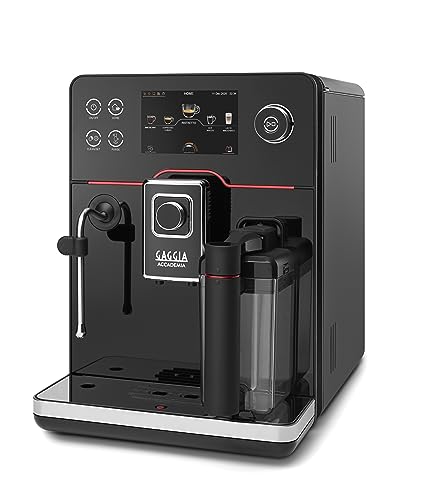
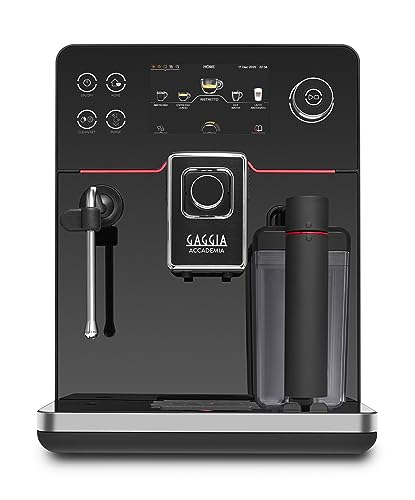
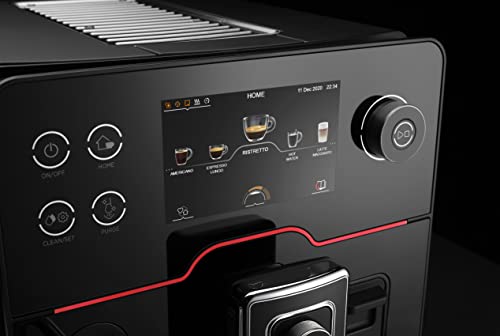

The Gaggia Accademia comes equipped with a solid suite of factory hardware, specialized tools, and starter maintenance supplies designed to keep its internal brewing mechanisms running smoothly from the start.
- Painted steel housing manufactured in Italy featuring a full-color glass touchscreen panel
- Dual milk frothing setup including an automated frothing carafe and an independent commercial steam wand
- Integrated coffee grinder with an additional bypass doser for pre-ground coffee
- Removable 1.6-liter water reservoir that pulls out from the front
- Removable internal brew group for direct cleaning under running tap water
- Tube of food-grade brew group lubricant for servicing moving mechanical parts
- Cleaning brush designed for clearing loose grinds from the bypass chute and burr housing
- Water hardness test strip used to calibrate the automated descaling system
- Pre-ground coffee measuring scoop for single-dose bypass brewing
- Mavea Intenza water filter cartridge to control mineral accumulation inside the boiler
Internal Mechanical Architecture and Durability Expectations
A super-automatic espresso machine relies on an intricate network of plumbing, electrical solenoids, and high-torque gear assemblies. In assessing overall Gaggia Accademia reliability, the cornerstone of the machine is its removable brew group. While several competing luxury brands seal their mechanics inside the chassis, Gaggia allows owners to pull the brewing core out entirely. This design choice ensures that the moving piston, screen, and coffee compaction chamber can be directly inspected, preventing old coffee residue from decaying inside inaccessible internal cavities.
Over the course of a Gaggia Accademia long term review perspective, the primary mechanical risk stems from physical friction along the brew group rails. During every brew cycle, the internal drive motor compresses dry grounds with substantial mechanical force. If the moving tracks lose their lubrication, the drive motor must work noticeably harder to complete the cycle. Owners who clean and grease the brew group preserve the motor and internal nylon gears, while users who ignore these components risk premature mechanical jams and internal motor strain.
Hydraulic durability is equally vital to uninterrupted operation. The 1400-watt heating system and 120-volt pump drive water through internal distribution channels to supply espresso shots, hot water, and steam. While hybrid machines like the Ninja Luxe Café Premier Series 3-in-1 espresso, coffee and cold brew machine, costco shop card inclu approach drink versatility with alternative dispensing paths, the Accademia uses commercial-style Italian routing. Over years of use, internal rubber gaskets face constant thermal cycling, making water filtration critical for preserving valve seals against mineral erosion.
Routine Maintenance Demands and Cleaning Failure Points
Everyday use exposes internal components to fine coffee dust, hot moisture, and natural oils. Managing Gaggia Accademia maintenance issues starts with a strict weekly brew group rinse under warm tap water without chemical detergents. Left uncleaned, old coffee oils coat the metal dispersion screen, creating bitter off-flavors and eventually blocking water distribution. Using the included cleaning brush to sweep out the coffee funnel and bypass chute prevents stray grounds from falling into the internal drip tray cavities and developing mold.
Lubrication is another essential task that directly prevents common Gaggia Accademia cleaning problems. Running the brew core under the tap slowly strips away the factory grease that keeps the piston moving smoothly. Applying the supplied tube of food-grade lubricant to the piston guides and sliding channels once a month keeps the mechanism operating quietly. Neglecting this maintenance step causes the brew unit to squeak, bind, and ultimately trigger gear error warnings on the digital display.
Limescale buildup represents the most common reason super-automatic machines fail over time. The included Mavea Intenza water filter and water hardness test strip allow the internal processor to calculate exact descaling intervals. Even with filtered water, dissolved minerals adhere to the heating elements when water boils into steam. Allowing scale to accumulate restricts water lines, destabilizes brewing temperature, and can permanently seize internal solenoid valves. Running the automated descaling cycle immediately when prompted protects the machine against hydraulic failure.
Dual Milk Frothing Circuit Operation and Hygiene Requirements
One of the most notable design features on this model is its hybrid milk preparation system. Users can choose between an automated plug-in milk carafe for one-touch beverages and an articulated Gaggia Accademia commercial steam wand for traditional pitcher frothing. The automated carafe siphons, heats, and aerates milk internally, dispensing it directly into your cup for lattes and cappuccinos. However, automated milk circuits are prone to dairy buildup, as warm milk residue congeals inside small internal passages if left unrinsed.
The machine includes an automated steam clean function that blasts steam through the dispensing spout after every milk drink, but this feature only handles surface-level residue. Complete sanitation requires taking apart the multi-piece carafe lid on a regular basis to soak the silicone tubes and frothing chamber in warm water. Allowing dairy solids to dry inside the venturi channels restricts air intake, which ruins milk foam quality and leads to thin, spluttering milk output instead of microfoam.
For users who prefer manual control, the commercial steam wand bypasses the automated milk channels completely. This stainless wand provides the direct steam pressure required to hand-texture milk for latte art. Because dairy bakes onto hot stainless steel almost immediately, the wand must be wiped clean with a wet cloth and purged with a quick burst of steam after every use. Allowing milk to dry on the wand tip can plug the steam holes, requiring manual cleaning with a pin or brush.
Kitchen Counter Footprint and Workflow
Assessing the Gaggia Accademia for home use requires taking its substantial physical dimensions into account. Measuring 16.5 inches deep, 11.1 inches wide, and 15.2 inches high, this machine requires a dedicated area on your countertop. At 13.8 kilograms, its heavy painted steel chassis eliminates counter sliding and absorbs pump vibration during grinding, but its mass makes moving the machine for routine cleaning behind the counter an intentional physical effort.
Vertical clearance under kitchen cabinets is a key factor when reviewing Gaggia Accademia specs. Standard upper cabinets sit roughly eighteen inches above the counter, leaving minimal clearance above the top-mounted bean hopper. Fortunately, the 1.6-liter water tank slides out from the front of the machine, so you never have to reach behind the unit to refill water. If your kitchen features tight counter corners, compact options like the Ninja Luxe Cafe Mini espresso machine occupy significantly less space, though they lack this unit’s automated customization options.
Daily operation centers around the full-color glass touchscreen display, which offers quick navigation across nineteen programmed recipes. Unlike membrane buttons that can bubble or wear out, the flat glass screen is easy to wipe down and responds quickly to finger taps. The interface lets you customize coffee strength, pre-infusion time, beverage volume, and water temperature for each drink setting, making it easy for different family members to brew their preferred coffee without complicated reprogramming.
Gaggia Accademia Pros and Cons
Pros
- Dual frothing with commercial steam wand and carafe
- Full-color glass touchscreen with 19 drink programs
- Durable painted steel housing made in Italy
- Removable brew group for accessible internal cleaning
- Integrated ceramic grinder with bypass doser option
Cons
- Substantial 13.8 kg weight requires dedicated counter space
- Demands frequent manual brew group rinsing and lubrication
- Dual milk systems require separate cleaning workflows
Is the Gaggia Accademia Worth It
Deciding if the Gaggia Accademia is worth it depends on how much you value having both automated milk frothing and a traditional commercial steam wand in a single machine. If your home has multiple coffee drinkers who want quick one-touch lattes on weekday mornings, but you still want the option to manually froth silky microfoam for weekend cortados, this model offers a rare combination of features. The painted steel housing, glass touchscreen, and extensive drink menu provide an upscale user experience that budget plastic machines cannot duplicate.
On the other hand, this machine is not ideal for someone seeking a hands-off, zero-maintenance appliance. If you dislike the idea of regularly washing a brew group, applying mechanical grease to piston rails, and disassembling milk carafes, a super-automatic with this level of mechanical complexity may feel burdensome. Buyers looking for straightforward espresso preparation without complex internal gears might find a semi-automatic model like the Ninja Luxe Cafe Mini Plus espresso machine easier to manage over the long haul.
From an ownership standpoint, Gaggia Accademia warranty support is reinforced by an established network of authorized service centers and readily available replacement parts. Because Gaggia uses standardized Italian components like common vibration pumps, brass connectors, and standard group head gaskets, the machine remains repairable well beyond the standard warranty period. For a coffee lover willing to perform routine cleaning and descaling, the Accademia provides a durable, highly repairable coffee station capable of delivering excellent café-style drinks for years.
FAQ
How often does the brew group require lubrication?
The brew group needs lubrication approximately once a month or after roughly 500 brew cycles. Regular rinsing with warm tap water gradually removes the food-grade lubricant from the tracks and piston seals. Applying fresh lubricant from the included tube keeps the mechanism sliding smoothly and prevents undue strain on the internal drive motor.
Can you use pre-ground coffee in the Gaggia Accademia?
Yes, the machine includes a bypass doser specifically intended for pre-ground coffee, using the measuring scoop provided in the box. This bypass chute lets you brew decaffeinated coffee or a specialty roast without having to empty whole beans out of the main grinder hopper. You should never place whole beans into the bypass chute.
What is the difference between the milk carafe and the commercial steam wand?
The milk carafe is a fully automated system that textures and dispenses milk directly into your cup for hands-free specialty drinks. The commercial steam wand is a manual stainless steel pipe that allows you to froth milk by hand in a separate pitcher, giving you full control over temperature and microfoam density for pouring latte art.
How does the Mavea Intenza water filter impact descaling frequency?
The included Mavea Intenza water filter softens tap water and removes heavy minerals before they enter the internal 1400-watt heating elements. While this filter significantly slows mineral buildup and extends the time between required descaling cycles, it does not eliminate scale entirely. You must still run the automated descaling cycle when prompted by the display.
What should you do if the grinder chute clogs?
If dark, oily beans or humidity cause grounds to stick inside the chute, switch off the machine, unplug it, and use the included cleaning brush to dislodge compacted coffee dust from the bypass opening. Keeping the chute clean and dry prevents grounds from caking onto internal surfaces and ensures consistent dosing into the brew unit.