As Amazon Associates, we earn from qualifying purchases. This means we may receive a small commission at no extra cost to you if you click through and make a purchase.
Maximum Suction Power
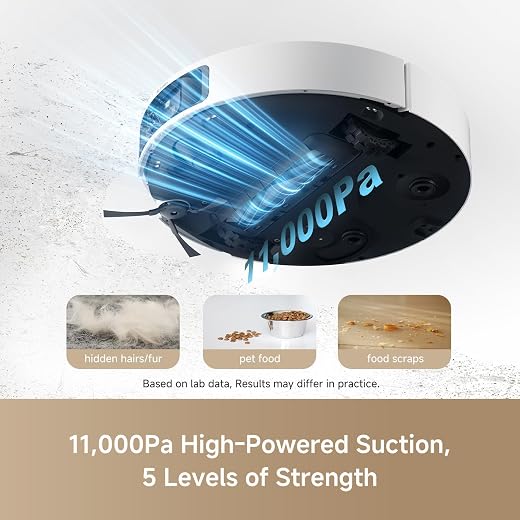
11,000Pa
Battery Capacity and Chemistry
5,200mAh Lithium Ion
Rated Maximum Battery Life
Up to 194 minutes (180 minutes rated baseline)
Mop Lift Clearance
Up to 10.5mm
Full spec sheet 6 more rows from the listing
| Base Station Tank Capacity | 4.5 Liters |
| Washing Water Temperature | 149°F (65°C) |
| Operating Sound Level | 58 dB |
| Filtration Type | Cartridge Filter |
| Power Levels and Speeds | 5 adjustable power levels and 5 operating speeds |
| Smart Platform Integration | Amazon Echo and Dreamehome App Control |
Investing in a high-end robot vacuum cleaner requires looking past glossy marketing brochures to understand how these machines hold up under real-world household stress. If you are researching the dream l40 ultra, you are likely evaluating whether its extensive dock automation, robotic swing arms, and extreme suction power deliver dependable convenience or create an expensive maintenance headache. The Dreame L40 Ultra positions itself as an all-in-one floor care station capable of sweeping, deep mopping, self-cleaning with heated water, and navigating around complex household clutter without getting tangled or trapped.
In this in-depth guide, we evaluate the system through the lens of long-term durability and mechanical reliability. We examine the complex mechanical moving parts—specifically the extendable side brush and dynamic mop pad linkages—alongside the thermal and hydraulic systems housed within the cleaning dock. You will learn what routine upkeep the machine actually demands, how it performs in homes with shedding animals, what real ownership risks exist regarding long-term component wear, and whether the Dreame L40 Ultra represents a sensible purchase for your home.
What You Get With the Dreame L40 Ultra



The Dreame L40 Ultra arrives as a complete, integrated cleaning platform designed to minimize routine floor care through substantial hardware automation and automated liquid handling.
- Dreame L40 Ultra robotic vacuum unit with 11,000Pa suction intake
- Fully automated base station featuring hands-free dustbin emptying and sealed dust collection
- 149-degree Fahrenheit heated mop pad washing and warm air drying system
- Automated clean water refilling and dedicated cleaning solution auto-dispenser
- SideReach motorized extending side brush mechanism for deep corner sweeping
- OmniDirt stain detection sensors paired with MopExtend extending arm hardware
- Dual rotating mop assemblies with 10.5mm automatic lifting clearance
- 3D structured light obstacle avoidance suite with an integrated smart camera
- Rechargeable 5,200mAh lithium-ion battery supporting off-peak scheduling
- Removable base station washboard tray for periodic sediment cleaning
Dock Longevity and Automated Washing Mechanics
Evaluating the dreame l40 ultra dock reliability requires looking closely at the hydraulic and thermal demands placed on the base station. The dock is not merely a charging pad and empty chamber; it houses an internal heating element that elevates wash water to 149 degrees Fahrenheit, a clean-water injection pump, an automated cleaning solution metering valve, and a motorized dirty water extraction pump. In automated testing cycles, these features provide pristine mop pads, but over months of continuous operation, warm water combined with dirty runoff creates a hostile environment for internal pipework and rubber check valves.
Mineral buildup poses a significant risk to the base station plumbing. When heated water passes through narrow spray nozzles to saturate the mop fabric, calcium and magnesium deposits can precipitate out of hard tap water, eventually restricting water flow or clogging the internal heating pathway. Buyers who do not use distilled or softened water may experience gradual pressure drops or erratic pad saturation. Furthermore, the dirty water intake relies on an airtight seal around the wastewater tank to pull slurry upward from the washboard tray. If the rubber gasket around the 4.5-liter dirty water tank stiffens or accumulates dried grime, suction loss prevents the station from evacuating sludge, triggering dock overflow alerts.
Compared to simpler self-emptying docks seen in older generations, such as early platforms discussed in our dreame l50 ultra coverage, the L40 Ultra base station demands preventive user vigilance. The heated drying chamber uses forced warm air to prevent mildew growth on wet mop pads, operating quietly at around 58 dB. However, if hair or dust bypasses the base station lint screen, it can bake onto the heating element or impede the air blower motor, leading to unpleasant odors and decreased drying efficiency.
Motorized Arms and Mechanical Point of Failure Risks
The Dreame L40 Ultra differentiates itself with two separate motorized articulation systems: the MopExtend arm, which kicks the right mop pad outward to reach baseboards, and the SideReach system, which physically extends the rotating side brush into sharp corners. From an engineering standpoint, every motorized linkage added to the chassis represents a mechanical point of failure. The dreame l40 ultra side brush extension relies on a small internal servo motor and delicate gear track to push the brush outward and retract it when obstacles or carpets are detected.
In homes with pet hair, synthetic rug fibers, or thread debris, the side brush extension mechanism faces immediate operational stress. Hair strands wrap tightly behind the rotating brush core and can migrate along the swing pivot. When the servo attempts to retract the arm against wrapped hair resistance, the control board can throw an obstruction error, or the tiny nylon gears can strip over time. Similarly, the MopExtend assembly pivots under wet, gritty conditions near floor level. Fine sand, dried food residue, and detergent scum work their way into the hinge tolerances, creating friction that strains the extending actuator.
Carpet transition mechanics introduce another layer of mechanical vulnerability. The dreame l40 ultra mop lifting system provides 10.5mm of vertical pad elevation to clear carpet pile when transitioning from tile or hardwood. While 10.5mm is generous compared to older robots, the lifting assembly utilizes continuous spring tension and motor lift brackets. If you have medium or high-pile carpets, the spinning pads will still brush against carpet fibers despite being elevated. Over hundreds of transitions, this constant drag places axial loads on the mop drive shafts, which can lead to early motor wear or water transfer onto deep carpet fibers.
Navigation Accuracy and Pet Environment Challenges
Using the dreame l40 ultra for pets reveals both the power and the software limitations of modern computer vision. The robot utilizes 3D structured light emitters paired with an onboard RGB camera to identify obstacles such as pet toys, water bowls, and power cords. In well-lit rooms, the obstacle avoidance algorithm actively diverts the robot around hazards, preventing the dreaded smear scenarios that pet owners fear. The Dreamehome application allows users to establish dedicated pet furniture zones, adjusting cleaning intensity and avoiding feeding stations altogether.
However, optical navigation performance degrades noticeably in low-light environments and around low-profile objects. If the robot runs late at night, the structured light system must carry the navigation burden without optimal optical camera confirmation, occasionally leading to gentle collisions with dark furniture legs or thin electrical wires. While the massive 11,000Pa suction power easily extracts embedded dog fur and cat litter from carpet backing, the physical roller brush remains vulnerable. Despite anti-tangle channel geometry, long human hair and fine pet undercoats inevitably wrap around the end bearings of the roller, requiring weekly cutting and extraction.
When reviewing the robot vacuum ecosystem alongside advanced units like the dreame l60 ultra pe, navigation software stability is just as critical as raw hardware specs. Firmware updates can occasionally recalibrate carpet threshold detection sensitivity. In rare instances, users report that high-contrast area rugs with dark geometric patterns confuse the cliff sensors or optical cameras, causing the machine to misinterpret dark carpet patches as drops or boundaries, leaving sections of flooring untouched.
Routine Maintenance Burdens and Warranty Responsiveness
The core promise of an automated cleaning hub is total hands-free convenience, but proper dreame l40 ultra maintenance actually demands regular, disciplined human intervention. The base station cannot clean its own wash tray completely. While the 149-degree water wash dissolves oils from the mop pads, heavy grit, sand, and pet fur fall out of suspension and settle directly into the bottom tray. Over several weeks, this creates a dense sludge that clogs the drainage grate and coats the water level float switch, generating false drainage warnings.
To keep the system functioning reliably, owners must manually extract the washboard tray, scrub the sediment channels, clean the cartridge filter on the vacuum unit, and empty the 4.5-liter wastewater reservoir before anaerobic bacteria produce foul odors. Ignoring these tasks accelerates component breakdown. Among documented dreame l40 ultra common problems, water line airlocks and clogged detergent metering dispensers stand out. When the solution auto-refill reservoir runs dry or sits unused, dried detergent residue can crystallize in the injection valve, preventing fresh soap from reaching the mop pads during wash cycles.
When components inevitably fail, dreame l40 ultra warranty support becomes the critical factor in user satisfaction. Modern automated robots are complex electro-mechanical machines that standard consumers cannot repair at home. Factory customer service responsiveness can vary depending on your geographic region and the nature of the issue. Warranty claims involving the main dock motherboard or internal water pump failures often require shipping the bulky, heavy base station back to a regional service depot. For shoppers weighing long-term investments against premium flagships like those in the dreame x60 max ultra complete series, keeping original packaging is essential in case service depot transit is required.
Dreame L40 Ultra Pros and Cons
Pros
- Massive 11,000Pa suction intake
- 149°F hot water mop self-cleaning
- Extending side brush and mopping arm
- Automatic 10.5mm carpet mop lift
- Integrated solution auto-refill system
- Generous 5,200mAh lithium-ion battery
Cons
- Plumbing susceptible to hard water scale
- Extendable hinges vulnerable to hair wraps
- Mop lift insufficient for high-pile carpet
- Dock tray requires regular manual scrubbing
Is the Dreame L40 Ultra Worth It
Determining whether the is dreame l40 ultra worth it question results in a purchase depends largely on your home layout and your tolerance for mechanical upkeep. If your residence features predominantly hard surfaces—such as hardwood, tile, or luxury vinyl plank—interspersed with low-pile area rugs, the cleaning performance delivered by the 11,000Pa vacuum motor and heated pad washing is genuinely transformative. The robotic mop extension and corner brush arm solve the edge-cleaning deficiencies that have plagued older robotic vacuum designs for years.
Conversely, this machine is not an ideal fit for households with thick, plush carpeting or for owners who expect a truly zero-touch appliance. The 10.5mm mop lift height simply does not provide sufficient ground clearance for deep shag rugs, meaning wet mop pads will inevitably drag across carpet fibers unless you manually detach the mopping brackets before running a vacuum-only cycle. Furthermore, buyers who neglect bi-weekly base station cleaning will quickly run into foul odors, plumbing airlocks, and drainage faults that negate the convenience the machine was purchased to provide.
Ultimately, the Dreame L40 Ultra is best suited for tech-comfortable homeowners who want top-tier floor hygiene and are willing to perform proactive maintenance on the base station and moving arms. It is an impressive piece of domestic engineering, provided you treat its complex internal pumps, heating elements, and articulating arms with the regular care and cleaning required by any sophisticated mechanical appliance.
FAQ
Does the Dreame L40 Ultra lift its mop pads high enough for thick carpets?
The Dreame L40 Ultra lifts its mop assemblies up to 10.5mm when its sensors detect carpet. While this clearance is sufficient to keep flat weaves and low-pile carpets dry, medium and high-pile carpets will experience physical contact with the damp mop pads. For plush or deep shag rugs, it is recommended to designate no-mop boundaries in the Dreamehome app or manually unclip the mop pads before running carpet cleaning cycles.
How frequently does the dock require manual cleaning and maintenance?
Although the dock empties dust and washes the mop pads automatically, the washboard tray should be removed and rinsed every two to three weeks. Hair, fine sand, and detergent residues settle beneath the cleaning tray and cannot be extracted by the dirty water pump. In addition, the 4.5-liter dirty water tank must be emptied and rinsed after every few cleaning sessions to prevent standing water odors and bacterial growth.
Can the Dreame L40 Ultra operate without an active internet connection?
Basic vacuuming and docking functions can be triggered using the physical control buttons on top of the robot. However, an active 2.4GHz Wi-Fi connection and the Dreamehome smartphone app are required to access critical capabilities such as customized suction levels, mop lift settings, pet-specific avoidance zones, virtual boundary lines, scheduled cleaning runs, and voice assistant integration through Amazon Echo.
What are the common failure points on the extendable cleaning arms?
The primary vulnerabilities on both the SideReach extending side brush and the MopExtend arm are hair tangling and grit intrusion. Long pet or human hair can wrap around the extension hinges and motor drive shafts, forcing the internal servos to work against heavy resistance. Over time, this mechanical strain can cause gear stripping, error alerts, or failure of the arm to fully retract back into the chassis during normal navigation.
How does the auto-refill and detergent dispensing system work?
The base station contains dedicated compartments for clean water and specialized floor cleaning solution. During mop washing cycles, the dock draws clean water, routes it through an internal heater to reach 149 degrees Fahrenheit, and automatically injects a measured ratio of detergent into the stream. This solution washes the pads and replenishes the robot internal water tank so the mop pads remain damp and sanitized throughout the cleaning run.