As Amazon Associates, we earn from qualifying purchases. This means we may receive a small commission at no extra cost to you if you click through and make a purchase.
Maximum Suction Power
12,000Pa HyperForce (brushless motor)
Dock Dust Storage Duration
Up to 10 weeks of hands-free debris collection
Mop Module Clearance
10mm automatic mechanical lift
Wireless Connectivity
2.4 GHz Wi-Fi only
Evaluating the roborock qrevo s5v specs helps potential buyers understand how the internal hardware compares against competing automated cleaning appliances.
Full spec sheet 8 more rows from the listing
| Mopping System | Dual spinning mops (200 RPM) with extendable FlexiArm |
| Anti-Tangle Technology | SGS-certified Zero-Tangle rubber main brush and arc side brush |
| Dock Automation | Auto-emptying, warm air drying, pad washing, water refilling |
| Battery Life and Chemistry | Up to 180 minutes runtime via Lithium-Ion battery pack |
| Total System Capacity | 2.7 liters |
| Navigation and Mapping | PreciSense LiDAR with 4-floor multi-level memory |
| Obstacle Avoidance System | Reactive structured light sensor array |
| Operating Sound Output | 64 dB |
Selecting an automated floor cleaner requires balancing raw cleaning power against long-term maintenance overhead. The Roborock Qrevo S5V enters the premium hybrid robotic vacuum category with an aggressive set of hardware specifications, most notably a 12,000Pa HyperForce suction motor and an articulating mop pad engineered to eliminate hard-to-reach perimeter dust lines. For shoppers trying to decide if this model matches their household, the device represents an advanced multi-surface cleaning platform designed to tackle complex floor plans with minimal manual intervention. However, mechanical complexity brings unique durability questions that simpler machines never face.
This comprehensive roborock qrevo s5v review evaluates the machine from an engineering and longevity perspective, stripping away marketing hype to examine real-world operational durability. Over the course of this analysis, we examine the mechanical wear points in the motorized mopping apparatus, evaluate the routine maintenance demands of the automated cleaning dock, assess real-world carpet cleaning and pet hair extraction, inspect reactive obstacle detection behavior, and clarify what the manufacturer specifications reveal regarding long-term reliability and warranty protection.
What You Get With the Roborock Qrevo S5V
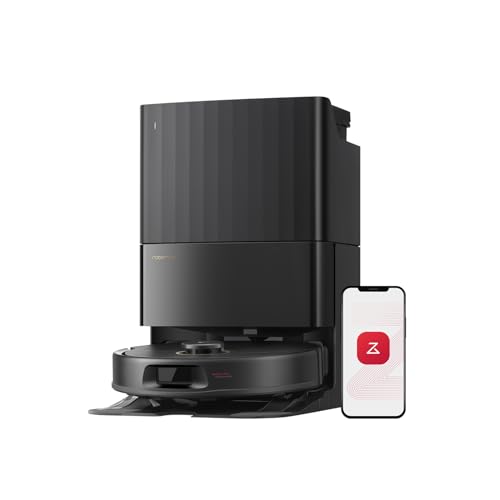


The system is packaged as an integrated automated cleaning station combining an intelligent robotic vacuum with a high-capacity base station engineered to handle debris extraction, pad washing, and reservoir management without constant user handling.
- Roborock Qrevo S5V robotic vacuum featuring a 12,000Pa HyperForce brushless motor
- All-in-One Smart Dock providing automated dust emptying into a 10-week storage bin
- Dock-integrated warm air drying system to sanitize and dry mopping pads
- Automated clean water refilling system supporting up to 3,552 square feet of floor coverage
- FlexiArm extendable edge mopping system with dual 200 RPM spinning mop pads
- Automatic 10mm mop module lifting mechanism for carpet preservation
- SGS-certified Zero-Tangle floating rubber main brush and arc-shaped anti-wrap side brush
- Reactive structured light obstacle avoidance module with dynamic hazard detection
- PreciSense LiDAR navigation system capable of storing up to four discrete floor plans
- Washable high-efficiency air filter and integrated 2.7-liter onboard fluid/debris management capacity
Mechanical Longevity and Roborock FlexiArm Reliability
The standout physical design feature on this chassis is the motorized dynamic arm mechanism. When assessing roborock flexiarm reliability, one must look closely at the mechanical forces involved during edge scrubbing routines. Unlike conventional fixed-pad robot vacuums that maintain static mopping brackets beneath the chassis, this model dynamically shifts its right-side mop pad outward on an articulated arm to make flush contact with baseboards and perimeter furniture legs. While this eliminates the uncleaned border zone typical of circular robots, moving arms introduce physical friction, spring tension, and internal drive gears that operate in a high-moisture, grit-heavy environment at floor level.
Over hundreds of cleaning cycles, microscopic grit, sand, and fine pet dander inevitably migrate toward moving joints. If the outward travel track encounters stubborn resistance from thick area rug borders or low-hanging obstacles, internal servo components endure elevated mechanical load. Shoppers prioritizing ultra-simple mechanical designs with zero articulating external parts might look at simpler alternatives like the roborock q5 pro robot vacuum, which relies on a completely rigid cleaning assembly. The robotic arm on this model does include electronic position sensors, but keeping the underside track clean and free of caked residue is essential to prevent long-term arm binding or motor burnout.
Another mechanical consideration is the 10mm mop lifting module. When the device transitions from hardwood to carpeted surfaces, the spinning mop assembly mechanically retracts upward by 10 millimeters to prevent wet fabric from contacting carpet fibers. This lift relies on internal worm gears or motorized linkages. While 10mm provides ample clearance over flat hard flooring and industrial low-pile rugs, it leaves virtually no clearance over medium-to-plush carpeting. If the robot regularly climbs thick thresholds or deep pile rugs, damp pads can brush against the fibers, transferring residual moisture and accelerating mechanical wear on the lifting assembly.
Dock Maintenance Realities and Potential Clogs
Automated docking stations are marketed as set-and-forget appliances, but analyzing roborock qrevo s5v dock issues reveals that multi-function stations simply trade daily vacuum emptying for weekly dock cleaning. The base station performs three complex fluid and debris management tasks: it pneumatically evacuates dry debris from the robot dustbin, pumps fresh water to wash the high-speed 200 RPM mop pads, and evacuates dirty slurry into a wastewater holding tank before initiating warm air drying. Each of these phases involves distinct fluid channels, filters, and rubber check valves.
Routine roborock qrevo s5v maintenance is necessary because dirty wash water does not cleanly disappear. When the dock cleans the rotating pads, sludgy grime composed of wet dust, pet dander, and dissolved soil drains across the bottom wash tray. If left unattended, this washboard tray develops a thick organic biofilm and odor, particularly in warmer rooms. While the dock features warm air drying to dehydrate the pads and deter mildew, it does not clean the tray basin itself. Owners must periodically detach the wash tray, rinse the intake filter screen, and scour residual sediment out of the wastewater suction port to prevent drainage blockages and water overflow errors.
Pneumatic dust collection through the dock presents another operational variable. The station pulls collected debris through an internal transfer duct into a disposable dust bag rated for up to 10 weeks of collection. If the vacuum ingests large volumes of damp debris, wet pet hair, or bulky paper scraps, the transfer port between the vacuum chassis and the dock floor can bridge and clog. Buyers who prefer a simplified self-emptying dock without complex plumbing circuits might consider a dry-only configuration like the roborock q10 x5+ robot vacuum, whereas those adopting this full-service dock must commit to bi-weekly basin inspections.
Carpet Cleaning Performance and Pet Household Dynamics
When evaluating roborock q revo s5v carpet cleaning, the headline metric is the 12,000Pa HyperForce brushless motor. This level of raw static suction is substantially higher than previous-generation robotic cleaners, allowing the machine to pull fine silica dust, tracked cat litter, and deep-seated organic debris out of carpet backings. Suction can be adjusted across 30 power levels through the mobile application, giving users precise control over airflow versus battery consumption. The 180-minute battery runtime provides sufficient operational capacity to execute deep-cleaning passes across multi-room carpeted layouts without mid-cycle recharging interruptions.
For homes with shedding animals, the roborock qrevo s5v for pets relies on an SGS-certified Zero-Tangle system. The floating all-rubber main roller eschews traditional bristle tufts in favor of sculpted rubber fins that actively guide strands of fur toward the outer edges of the roller instead of letting hair bind tightly around the central core. Complementing this is an arc-shaped side brush designed to resist hair wrapping at its pivot hub. In practical use, long pet fur and human hair do not strangle the main roller, drastically reducing the tedious task of cutting tangled hair with scissors. For a broader look at this system, review the roborock qrevo s5v robot vacuum and mop, flexiarm edge mopping, 12,000pa suction, dual zero-tangle s configuration specs.
However, pet owners must recognize the physical limits of the hybrid cleaning process. When managing heavy seasonal shedding, pet fur can accumulate on the wet spinning mop pads before the vacuum roller can lift it. If the robot moves directly from a dusty tile floor to an area rug without washing its pads first, damp hair clumps can be deposited along the carpet perimeter. To avoid this, pet owners should configure the mobile application to vacuum carpets first prior to damp mopping, or utilize the SmartPlan automation tool to segment hard floors from carpeted areas.
Sensor Navigation and Obstacle Avoidance Performance
Navigation accuracy and furniture preservation depend on the dual-sensor suite comprising PreciSense LiDAR and optical structured light. The roborock qrevo s5v obstacle avoidance hardware is mounted on the front bumper, projecting structured light patterns forward to calculate the distance, height, and depth of low-lying household items. Unlike simple bumper-activated machines that repeatedly slam into furniture legs, this optical array identifies stray footwear, power cords, pet dishes, and toys in real time, steering the robot clear of entanglements that could halt an automated cleaning schedule.
LiDAR navigation remains the gold standard for spatial orientation. The 360-degree rotating turret continuously maps the environment, maintaining high positioning accuracy regardless of ambient lighting conditions. It effortlessly maps up to four individual floor plans, automatically recognizing which floor level it has been placed on without requiring manual map reloading. Homeowners living in split-level or multi-story properties can carry the vacuum between floors while maintaining dedicated keep-out zones and customized room cleaning sequences. If you are comparing navigation architectures across the brand, examining our roborock q10 s5+ robot vacuum assessment provides useful comparative context on LiDAR implementation.
Sensor maintenance is a mandatory prerequisite for consistent navigational performance. The structured light optical windows sit low to the ground and are prone to gathering dust films, floor polish haze, and pet nose smudges. When these optical lenses become obscured, obstacle recognition reliability degrades, potentially causing the robot to mistake carpet patterns for physical barriers or fail to identify thin electrical cables. Wiping the optical windows and gently cleaning the LiDAR turret with a microfiber cloth every few weeks is critical. Furthermore, the robot only supports 2.4GHz Wi-Fi networks, which means modern dual-band routers must broadcast a dedicated 2.4GHz SSID during initial setup.
Roborock Qrevo S5V Pros and Cons
Pros
- 12,000Pa HyperForce suction lifts deep carpet debris
- SGS-certified zero-tangle rubber roller and side brush
- FlexiArm extends mop pad flush against room edges
- All-in-one dock washes mops with warm air drying
- 180-minute runtime covers up to four floor maps
Cons
- 10mm mop lift insufficient for plush deep carpets
- Dock wash tray requires frequent manual sludge cleaning
- Only compatible with 2.4GHz Wi-Fi networks
- Articulating mechanical mop arm adds moving wear components
Is the Roborock Qrevo S5V Worth It
Determining whether the roborock qrevo s5v is worth it comes down to your home’s flooring composition and your tolerance for dock sanitation tasks. For households featuring expansive hard surfaces such as polished hardwood, luxury vinyl plank, or tile, the combination of 200 RPM dual spinning mops, 30-level fluid flow customization, and the mechanical FlexiArm edge extension delivers exceptional edge-to-edge sanitation. Pet owners will find genuine relief in the SGS-certified Zero-Tangle rubber brush system, which effectively eliminates the daily chore of cutting bound fur from rotating shafts.
Conversely, this model is not the ideal choice for every living situation. Homes covered predominantly in plush, medium-to-high pile wall-to-wall carpeting gain little advantage from the sophisticated mop-washing dock, and the 10mm mop elevation is simply inadequate to keep damp pads elevated safely above thick carpet strands. Buyers seeking a purely hands-off experience without any maintenance responsibilities must also understand that the dock’s washboard basin, wastewater tank, and intake channels require consistent personal oversight to avoid odor and sediment accumulation.
Ultimately, if you manage a busy multi-floor household with shedding pets, active children, and high-traffic hard floors, this machine provides an advanced, highly customizable cleaning platform. As long as you respect its mechanical requirements and perform routine dock upkeep, the hardware delivers top-tier automated performance.
Roborock Qrevo S5V Warranty and Support Realities
Investing in a mechanically sophisticated appliance requires understanding warranty limitations and support structures. Regarding the roborock qrevo s5v warranty, the product listing does not specify the precise duration, regional terms, or specific warranty claim procedures for this model. Buyers should consult the official documentation provided inside the retail box or contact manufacturer customer support to confirm coverage periods for electronic circuit boards, battery cells, and motorized drive assemblies.
When operating high-end automated appliances, consumers must realize that standard manufacturer warranties typically cover factory defects in materials and workmanship while explicitly excluding normal consumable wear. Components subject to routine friction—including the washable air filter, rubber roller, spinning mop pads, side brush, and dock gaskets—are treated as consumable replacements that owners must purchase over time. Retaining your purchase invoice, registering the hardware via the official app upon unboxing, and strictly following cleaning procedures are vital steps to ensure your warranty rights remain intact should an internal pump or servo malfunction occur.
FAQ
How often does the Roborock Qrevo S5V dock require manual cleaning?
While the dock handles daily mop washing and dustbin evacuation automatically, the bottom wash tray collects sludgy dirt and sediment over time. Owners should physically remove and rinse the cleaning tray, clean the wastewater filter screen, and empty the dirty water tank every one to two weeks to prevent clogs and foul odors.
Can the Roborock Qrevo S5V clean deep pile carpets without getting them wet?
The mop pads lift automatically by 10mm when the vacuum detects carpeted surfaces. This clearance is sufficient for flat commercial and low-pile carpets, but plush or deep-pile carpet fibers will touch the damp pads. For deep carpets, users should establish No-Mop Zones or physical boundaries in the mobile application.
Does the Roborock Qrevo S5V support 5GHz Wi-Fi networks?
No. According to manufacturer specifications, the robot only supports 2.4GHz Wi-Fi connections. If your home network uses a combined mesh or dual-band router, you must ensure the 2.4GHz band is enabled and accessible during initial setup and pairing.
How does the Zero-Tangle brush handle long pet hair?
The system utilizes an SGS-certified all-rubber floating roller paired with an arc-shaped side brush. The rubberized spiral blades channel pet fur and hair toward the edges of the roller rather than allowing strands to wind tightly around the core, minimizing brush jams and eliminating the need for frequent manual cutting.
What should you do if the FlexiArm mop fails to extend or retract?
Inspect the underside of the vacuum for dried mud, hair, or physical debris lodged within the swing-arm channel. Wipe the pivoting mechanism clean and ensure the pad bracket rotates freely by hand. If the arm remains unresponsive after clearing physical obstructions, perform a system reboot through the companion app.


